
Drywall Patch & Wall Repair in Portland & Vancouver WA
Small drywall repairs — holes patched, cracks fixed, move-out wall damage repaired, and texture matched before paint.
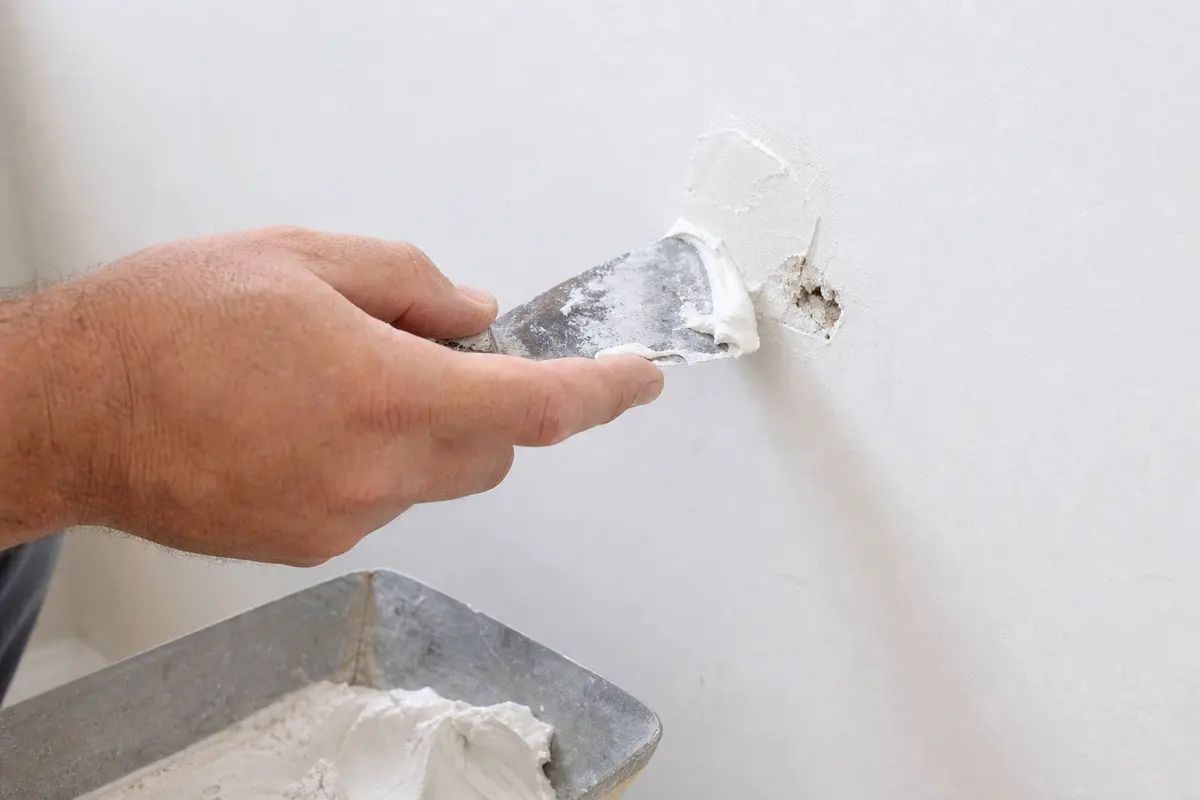
Holes, dents, cracks, and move-out damage patched and finished so walls look clean again — sanded smooth and texture matched to the surrounding wall, so the repair disappears once it's painted.
What's Included
- Drywall patching & hole repair
- Corner bead & crack repair
- Move-out wall repair
- Texture matching
- Ceiling patch repair
- Minor wall damage repair
What We Install & Repair
Most wall damage is small but stubbornly visible — a doorknob through the drywall, a torn-out anchor, a crack that keeps reopening. We patch the damage, feather the compound wide, and match the texture so the repair disappears under paint. That covers lath-and-plaster in older Portland-era houses and textured drywall in newer subdivisions — the method changes with the wall.
- Doorknob and impact holes
- Anchor and screw pull-outs where shelves or TVs came down
- Cracks at seams, corners, and above doorways
- Dented corner bead on outside corners
- Water-stained drywall replaced after the leak is fixed
- Move-out and tenant wall damage
- Ceiling patches at standard room height
- Texture matching — orange peel, knockdown, light hand textures
Common Problems We Solve
A doorknob or furniture corner punched a hole in the wall
Small holes get a self-adhesive mesh patch and two or three coats of compound. Fist-sized holes get a California patch — a drywall piece with its paper border left long to bond into the wall. Anything bigger gets wood backing and new board, taped and finished like a factory seam.
A crack that was filled before keeps coming back
A crack at a seam or corner is a movement problem — filler alone splits again. We open it, tape it, and coat it with setting-type compound so the joint absorbs seasonal movement instead of telegraphing it.
A brown water stain on the ceiling or wall
First question: is the leak actually fixed? We repair drywall only after the source is stopped and the cavity is dry — then cut back to sound board, replace what was soaked, and seal the stain with stain-blocking primer so it can't bleed through.
An old patch that shows through the paint
A patch that 'flashes' was usually finished too small or left untextured. We skim wider, feather past the old repair, rebuild the texture, and prime — the fix is almost always in those last two steps.
How It Works
Look at the wall first
We confirm what we're repairing — drywall or plaster, wall or ceiling — check for moisture, and identify the texture. Plaster patches differently, so this step decides method and quote.
Patch to match the damage
Mesh patch, California patch, or backing and new board, sized to the hole. Loose material and torn paper come out first; a patch over crumbling edges fails early.
Tape, coat, and sand
Joints get taped and built up in thin coats, each sanded smooth. Compound needs dry time, so larger repairs honestly take two short visits — we say which yours is up front.
Texture and prime
We blend the texture into the surrounding wall — the step that makes or breaks the repair — and leave it primed and paint-ready. For a finished, painted wall, our interior painting service picks up where the patch ends.
What's Not Included
- Finding or fixing the leak itself — that's a plumber or roofer, and we can refer one; we repair the wall after the source is stopped.
- Mold remediation. If we find active mold behind a wall, we stop and refer it.
- Whole-room retexturing or skim-coating entire walls — a drywall-contractor job, not a repair.
- Vaulted or two-story ceiling repairs that need scaffolding to reach.
- Caulking, trim repair, and trim repainting — those live in our caulking and trim painting service.
- Painting the repaired wall — see our interior painting service.
What Affects the Price
- Number and size of repairs
- One mesh patch is quick; several rooms of move-out damage is a different visit. Batching every patch into one trip is the cheapest way to do this.
- Texture matching
- Smooth walls finish fastest. Knockdown and heavier hand textures take extra blending passes to make the patch vanish.
- Plaster versus drywall
- Lath-and-plaster repairs need different materials and more careful edges than drywall, which adds time in older homes.
- Ceiling work
- Overhead patches are slower — gravity makes the finish coats harder to do well.
- Dry-time visits
- Larger repairs need multiple coats with drying between, which usually means a short return visit to finish and sand.
Frequently Asked Questions
Can you match my wall texture?
Usually, yes — orange peel and knockdown are the common textures here and both blend convincingly. Matching is the hard part of the trade, so we feather texture well past the patch — and on unusual hand textures we're honest about how close we can get.
Can I paint the patch the same day?
Small patches, often yes — compound and primer can be dry by end of day. Larger repairs need drying between coats, so paint waits a day or two. Either way the repair leaves primed and paint-ready.
My house has plaster walls. Can you still patch them?
Yes — a standard drywall patch set into plaster tends to crack back out, so plaster gets its own materials and wider feathering. Many older homes here are lath-and-plaster and we work on them regularly.
There's a water stain — what should I do first?
Stop the water first. Have a plumber or roofer fix the source, let the cavity dry, then we replace the damaged board and seal the stain. Patching over a live leak buys the same repair twice.
How big is too big for a patch?
There's no strict cutoff — even a hole spanning studs takes backing and new board. The practical limit is when most of a wall is damaged; then full sheet replacement beats patchwork, and we'll tell you if you're there.
Areas We Cover
Request a Free Drywall Patch & Wall Repair Estimate
Tell us what you need and we'll get back to you with a quote. Photos welcome.