
Floors & Exterior
Siding, Exterior Trim & Dry Rot Repair in Portland, OR & Vancouver, WA
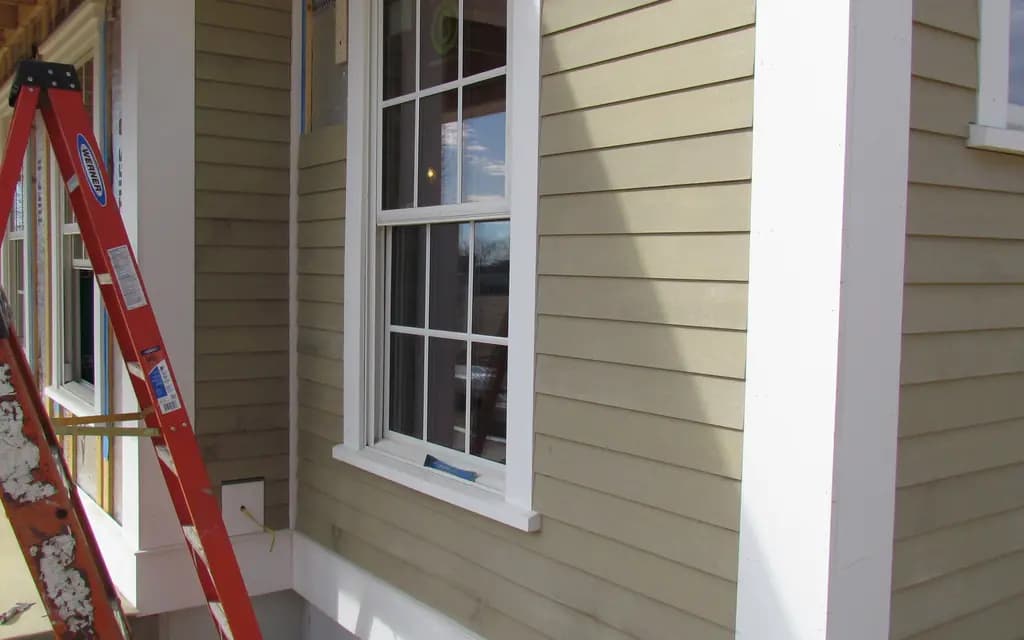
Rotted siding, window trim, and fascia cut back to sound wood and replaced — Hardie, cedar, and LP matched to the house, then flashed, caulked, and primed before the next rain.
What's Included in Siding & Dry Rot Repair
Nine wet months a year find every open joint on a house. We repair siding, exterior trim, and dry rot across Portland, OR and Vancouver, WA: soft boards opened up, rot cut back to sound wood, and the repair rebuilt in matched Hardie, cedar, or LP siding, then flashed, caulked, and primed so the water has nowhere to go. One corner, one window, or the whole weather side.
- Dry rot repair — siding, trim, and sheathing cut back to sound wood and replaced
- Siding section replacement — HardiePlank, cedar bevel and channel, and LP SmartSide matched to the existing lap and reveal
- Window and door trim, sills, and casing replaced, with flashing and drip caps where the old work had none
- Fascia, soffit, and corner board repair
- Loose, cracked, split, and woodpecker-damaged boards refastened or swapped
- Every repair flashed, caulked, and primed — finish paint on request
Common Problems We Solve
Paint bubbling or rotted window trim below the sill
Water gets in at the sill joint and runs down behind the siding, so the rot is usually bigger than the bubble. We pull the trim, probe the sheathing, and cut back to solid wood, then rebuild the sill and casing with flashing under it so the same joint stops leaking instead of being recaulked every spring.
Rotten bottom boards where the siding meets the ground or a deck
Siding that touches soil, a patio, or deck boards wicks water year-round. We replace the bottom courses, hold the new boards a proper gap above the surface, and add flashing so the splash zone stays dry.
A few cedar siding boards split or gone soft on the weather side
The south and west walls take the rain and the sun. We swap the failed boards for matching cedar, stagger the joints so the patch does not read as a stripe, and prime all six sides before the boards go up.
Woodpecker holes in the siding
Flickers drill into soft or hollow-sounding siding, and the holes let water in. We patch small holes with exterior filler, replace boards riddled beyond that, and check for the rot or insect damage that drew the bird in the first place.
How It Works
Probe before quoting
We go over the wall with an awl and a moisture meter, not just our eyes: sills, trim joints, bottom courses, corners, and wherever a gutter overflows. You get photos of what is soft and what is sound, and a quote for what we found, not a guess.
Open up and cut back to sound wood
The damaged siding and trim come off, and the rot is cut back past the visible edge until the awl stops sinking. Damaged sheathing is replaced. If the rot has reached framing, we stop and show you before going further, and scope that repair separately.
Rebuild with matched material and proper flashing
New siding and trim go on in the same material and profile — Hardie, cedar, or LP — with the housewrap patched, self-adhered flashing under the new sill and a drip cap over the head trim where the original had none, and the laps and reveals lined up with the wall around them.
Seal, prime, and hand it back paint-ready
Joints are caulked with exterior sealant, fasteners set and filled, and everything primed the same day it goes up. Finish paint to match the house is on request — or we hand it over primed for your painter.
Typical Projects & Pricing
Labor pricing. Materials are itemized in your estimate. Estimates are not final contracts.
What's Not Included
- Whole-wall or full-house residing — we repair and replace sections; a complete re-side is a siding contractor's project
- Framing repair behind the sheathing — studs, rim joists, and headers are structural: we stop, show you the photos, and that part goes to a licensed contractor
- Deck, fence, and porch rot — see Decks, Stairs, Porches & Fences
- Repainting beyond the repair itself — see Interior & Exterior House Painting
- Gutter cleaning and roof moss, the usual cause of the leak — see Gutter Cleaning, Pressure Washing & Roof Moss
What Affects the Price
- How far the rot has traveled
- A soft board is a small job; rot that has reached the sheathing or the framing behind it is a bigger one. We price what the probe finds and show you the photos before the wall is opened.
- Material and profile match
- Common HardiePlank lap siding and standard cedar bevel are stocked locally. Discontinued profiles, wide cedar channel, or a built-up trim detail mean milling or special order, which adds time and material cost.
- Height and access
- First-floor repairs are done from a ladder. Second-story walls, gable ends, and anything over a deck or a roof slope need staging, and that adds setup time before the first board comes off.
- Flashing that was never there
- Older repairs often skipped sill flashing, drip caps, and kick-out flashing at the roof line. Adding them takes longer than a board swap, but it is why the repair lasts.
- Paint scope
- Priming is part of every repair. Finish paint on the patch costs less than repainting the whole wall so the repair disappears — faded or dark colors are the ones that usually need the full wall.
Siding & Dry Rot Repair — Frequently Asked Questions
How do I know if it's dry rot or just weathered paint?
Press it. Weathered paint sits on hard wood; dry rot is soft, spongy, or crumbles under a screwdriver, and the paint above it often bubbles or peels in a patch. Dry rot and wood rot are the same thing — the name is a misnomer, since the fungus needs moisture to spread. Rot also spreads behind the surface, so a small soft spot usually means a larger repair once the board comes off. We probe the wall at the estimate and show you exactly where sound wood starts.
Can you match my existing siding?
Usually, yes. HardiePlank lap, LP SmartSide, and standard cedar bevel are stocked locally in the common widths. Discontinued profiles get the closest match or a milled piece for cedar. We stagger new boards into the old courses and prime them so the patch reads as the same wall once painted.
Is painting included?
Priming is — every board and joint we install leaves primed the same day, so the repair is protected even if paint waits for dry weather. Finish paint to match the house is on request; whole-wall or whole-house repainting is our separate house painting service, and we schedule the two back to back when a project needs both.
Can you repair siding in the rain?
Repairs, yes — the work goes board by board, and whatever we open is flashed and primed, or papered and taped, before we leave, so nothing sits open overnight. Caulk and primer need a dry surface and a few hours of mild weather to set, so on a wet day we time those steps around the showers, and finish paint waits for a dry stretch.
What about lead paint on an older house?
Homes built before 1978 may have lead-based paint on the siding and trim. Where our work disturbs painted surfaces on older homes, we follow lead-safe work practices and will tell you up front if the scope calls for a lead-safe certified renovator.
What if the rot has reached the framing?
We stop and show you. Sheathing we replace as part of the repair; studs, rim joists, and headers are structural, so that part goes to a licensed contractor, with our photos of the open wall. Nothing more is decided until you have seen them.
How much does siding repair cost?
A siding repair visit starts at $349 — a few boards refastened or replaced. Dry rot under a window, with the sill, trim, and sheathing rebuilt, typically runs $749–1,500, and a run of rotten bottom courses along one wall $900–1,800. The final number depends on how far the rot has traveled, so we probe first and quote what we find.
Areas We Cover
Free estimate
Request a Free Siding, Exterior Trim & Dry Rot Repair Estimate
Tell us what you need and we'll get back to you with a quote. Photos welcome.