
Fixes & Mounting
Blinds, Mirrors & Wall Mounting in Portland, OR & Vancouver, WA
Blinds, curtain rods, mirrors, shelves, bathroom accessories, and grab bars hung level and anchored into something solid — not just drywall.
What's Included in Blind Installation & Mirror Hanging
We install the blinds, shades, curtain rods, mirrors, shelves, and bathroom accessories you've selected — level, anchored for their real weight, and matched to the wall behind them. For a whole house of blinds or rods, we work window to window in one scheduled visit. Heavy mirrors and gallery walls need careful anchoring, especially in older plaster. Portland and Vancouver walls run from new drywall to lath-and-plaster, brick, and tile, and the mounting method changes with each one.
- Customer-supplied blinds, shades, and curtain rods
- Pictures, heavy mirrors, and full gallery walls
- Floating shelves and closet rods
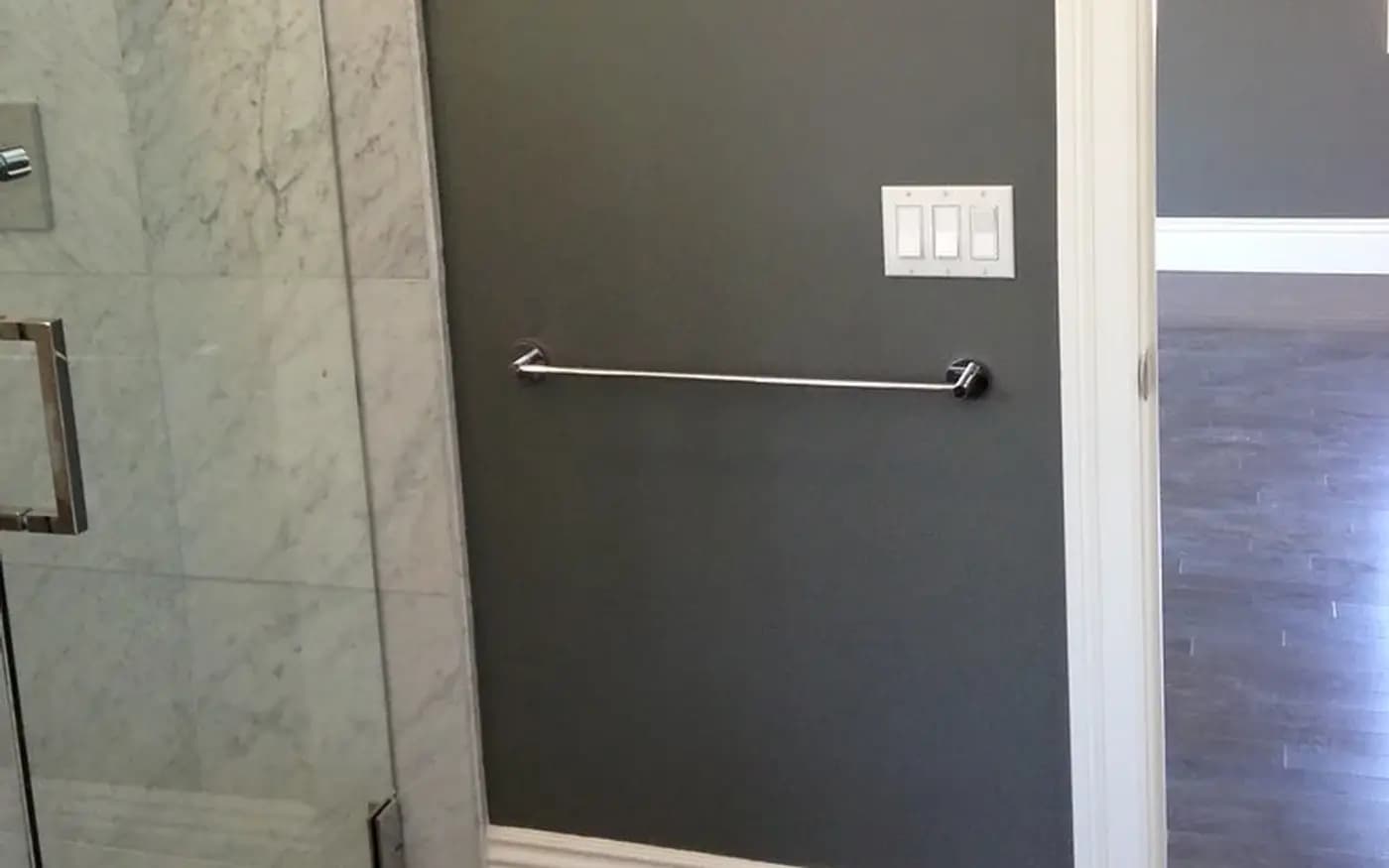
- Towel bars, hooks, TP holders, and medicine cabinets
- Grab bars and handrails, including into tile
- Anchoring matched to drywall, lath-and-plaster, brick, and tile
- Re-hangs where a previous anchor pulled out of the wall
Common Problems We Solve
A whole house of blinds has been sitting in boxes since move-in.
We bring the ladder and the bits, confirm the inside or outside mount, and install each window treatment level with the safety cleats in place. Packaging goes out with us when the list is complete.
A heavy mirror needs to hang on a plaster wall, and a nail won't hold it.
Plaster alone can't carry a 40-pound mirror, and a bare nail eventually lets go. We find the studs behind the lath, drill proper pilots, and hang the mirror on rated hangers or a French cleat so the weight lands on framing, not plaster.
A towel bar ripped out of the drywall.
Plastic anchors in bare drywall often are not right for the wall or the towel bar's load. We patch the torn spot, then re-set the bar with suitable anchors or backing where the wall allows. Grab bars are safety hardware and are assessed separately for proper backing.
The gallery wall is planned but nobody dares to make the first hole.
We turn the plan into a layout on the wall first — paper templates or laid-out marks you approve before any drilling. Then every frame goes up level and evenly spaced, with hardware matched to each frame's weight and the wall behind it.
How It Works
Confirm the plan and layout
We walk the list with you — which windows, which walls, what heights — and mark positions you approve before any drilling starts.
Find the structure behind the surface
Studs, blocking, or solid masonry get located and marked, so every screw that carries weight lands in something that can hold it.
Drill and anchor for the wall type
Drywall gets toggles or stud screws, plaster gets careful pilots into framing, brick gets masonry anchors, and tile gets diamond-drilled holes with sealed anchors.
Level check and cleanup
Every piece is checked level and load-tested, dust is vacuumed, packaging is hauled out, and you walk the finished list with us.
Typical Projects & Pricing
Labor pricing. Materials are itemized in your estimate. Estimates are not final contracts.
What's Not Included
- Custom blind and shade sales — we install what you've bought and can measure for the order at the visit
- Tile removal or replacement
- Hardwired light fixtures and sconces — referred to a licensed electrician
What Affects the Price
- Window count
- Several windows can share setup time, so the per-window cost may be lower when they are installed in one scheduled visit.
- Wall material
- Drywall is the baseline. Lath-and-plaster needs careful pilots into framing; brick and concrete need masonry bits and anchors, which takes longer.
- Item weight
- A framed print hangs on a single fastener. A 60-pound mirror or a loaded floating shelf needs studs, blocking, or rated heavy-duty anchors.
- Tile drilling
- Grab bars and towel bars in tiled showers mean diamond bits, slow drilling, and sealed anchor points — more time per hole than any other wall.
- Layout complexity
- A single mirror is one decision. A 15-frame gallery wall or a stair-stepped handrail adds layout and measuring time before the first hole.
Blind Installation & Mirror Hanging — Frequently Asked Questions
How do you price blinds — per window or per visit?
The estimate is for the scheduled visit and reflects the window count, wall type, mount style, and hardware involved. The pricing guide gives per-window ranges for blinds, shades, and rods; tell us what you've bought and how many windows you have, and we'll return a single estimate for the work.
Can you hang heavy mirrors on lath-and-plaster walls?
Yes — much of Portland's older housing is lath-and-plaster, and it's standard work for us. Plaster alone won't carry a heavy mirror, so we locate the studs behind it, drill careful pilot holes, and put the weight into the framing, or into anchors rated for the load where the layout demands it.
Will grab bars hold in a tiled shower?
Yes. We drill the tile with diamond bits, seat the anchors in the structure behind it — studs or solid backing, not just tile and drywall — and load-test each bar before we leave. If a wall has no usable backing, we say so and propose the nearest solid mounting points.
Do you supply anchors and hardware?
Mounting hardware is included — screws, toggles, and masonry and tile anchors matched to your walls come with the job. Decorative hardware is yours: the blinds, rods, mirrors, bars, and hooks themselves. If something you bought arrived with flimsy anchors or a missing bracket, we flag it and substitute rated hardware.
Can you do the whole house in one day?
Whole-home blind installs are booked as one scheduled visit, sized at the estimate. We count the windows and pieces first, then reserve the time the list actually needs. Larger homes or mixed walls — plaster, brick, tile — take more of it, and we tell you that up front instead of rushing the last rooms.
Do you install curtain rods on concrete or brick?
Yes. Concrete, brick, and block need masonry bits and anchors rather than wood screws, and we carry the appropriate mounting hardware. Drilling takes longer, which the estimate reflects. We assess the material and the hardware on site before choosing the mounting location.
What does a whole-house blind installation run?
Blinds and shades run $35–55 per window with a six-window minimum; curtain rods and drapery hardware $75–120 per window, mounting hardware included. Smaller jobs start at the $149 visit minimum. The per-window cost drops as the count rises. Inside mounts, tall windows, and plaster or brick walls add time. Send your window count and we return a firm number.
Is it cheaper to install blinds yourself or hire a pro?
For one or two windows in standard drywall, DIY with a cordless drill can be a practical option. A full house adds repeated ladder work, inside mounts that need to sit square, and older lath-and-plaster that needs careful drilling. We install the window treatments level, fit the child-safety cleats, and remove the packaging when the job is complete.
Areas We Cover
Free estimate
Request a Free Blinds, Mirrors & Wall Mounting Estimate
Tell us what you need and we'll get back to you with a quote. Photos welcome.