
Deck Repair in Portland & Vancouver WA
Worn boards replaced, popped fasteners re-secured, and wobbly railings tightened — before someone's foot finds the soft spot.
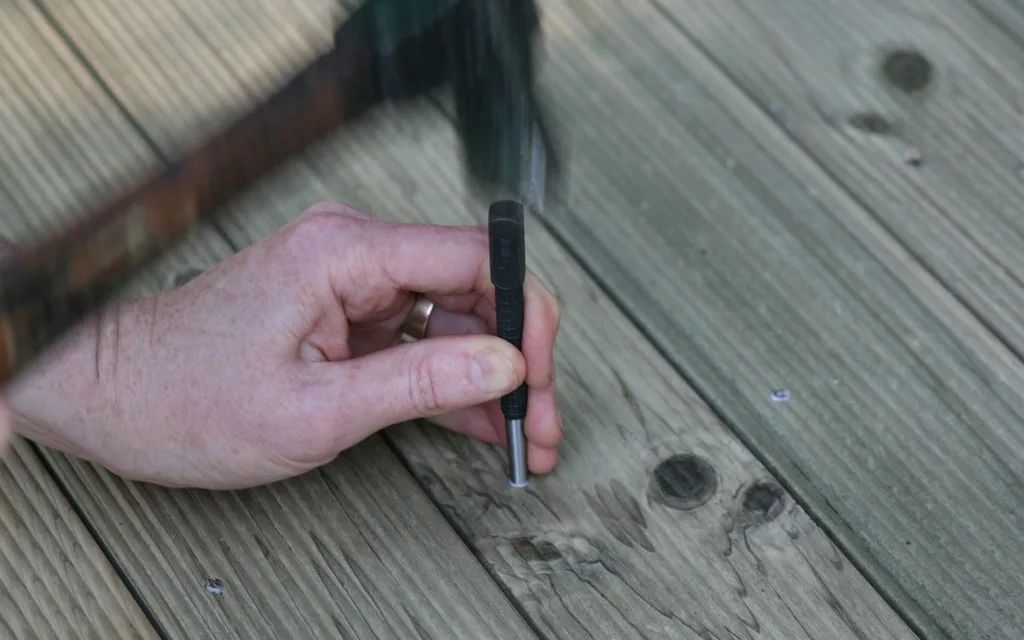
Deck boards replaced with matching lumber, popped nails swapped for proper deck screws, loose railings and balusters re-secured, and hardware upgraded where the weather has won — repairs that make an aging deck solid underfoot again.
What's Included
- Deck board replacement
- Popped fastener re-securing
- Railing & baluster tightening
- Hardware & connector swaps
- Wood & composite decks
- Gate and stair tread fixes
What We Install & Repair
Eight months of rain is hard on a deck surface. Boards cup and split, fasteners walk loose with every wet-dry cycle, railings loosen at their connections, and by March the shady half is green and slick. We handle the walking-surface and railing side: replacing bad boards, refastening what popped, re-securing wobbly rails, swapping corroded hardware, and cleaning it all back to usable. The frame under your feet is a different trade, and we say so up front.
- Replacement of rotted, split, or badly cupped deck boards
- Refastening popped nails and backed-out screws across the surface
- Loose or split stair tread replacement
- Railing and baluster tightening and re-securing into sound wood
- Corroded surface hardware swaps — rail brackets, post caps, gate latches
- Deck cleaning, moss removal, and prep ahead of stain or sealer
Common Problems We Solve
A board that feels soft or spongy underfoot
We probe it and its neighbors with an awl. Rot that stops at the decking means new boards. If the awl sinks into the joist underneath, that is frame rot — photographed and referred to a licensed contractor, not covered over with fresh decking.
Nail heads and screws standing proud all over the deck
Wet-dry cycling walks smooth-shank nails out of the wood year after year. We pull them and drive coated exterior screws beside the old holes, so the fix holds instead of repeating next winter.
A railing that moves when you lean on it
Usually the connection has worked loose, not the wood. We re-drive or upsize fasteners into solid material and swap corroded brackets. A rail post rotted where it meets the frame is structural — referral, not a longer screw.
A green, slippery surface every winter
Algae and moss love shaded, damp decking. We clean it off, dig out the board gaps where debris holds moisture, and leave the surface ready for a sealer that slows regrowth.
Gray, splintering boards past the point of sanding
Once checks open deep and splinters pull, replacement beats refinishing. We swap the worst boards and settle cedar versus pressure-treated with you before ordering material.
How It Works
Probe before quoting
We walk the deck, probe suspect boards, and check each railing section by hand. Surface problems and frame problems get sorted first — different answers, different trades.
Agree on scope and material
You get a board-by-board picture of what needs replacing, what needs refastening, and what is not ours to fix. Material and fastener choices get settled before we cut.
Do the repair
Bad boards come out without chewing up their neighbors, new ones go in on exterior screws, treads get replaced, railings re-secured, tired hardware swapped.
Clean, prep, and report
The deck gets cleaned last so repair debris leaves with us. Anything structural we spotted goes to you in writing with photos for a licensed contractor.
What's Not Included
- Posts, beams, and footings — the frame carrying the deck is work for a licensed contractor, and permits can apply to structural changes.
- Ledger board repair — the deck-to-house connection is the one that fails catastrophically; if we flag it, a licensed contractor needs to open it up.
- Full deck rebuilds or new construction — replacing the structure is a build, not a repair.
- Railing height or layout changes — altering a guardrail is a code matter that can trigger permits; we re-secure what exists.
- Leveling a sagging deck — if the surface tilts, the cause is under it, and that is frame work.
What Affects the Price
- Board count and material
- Two split boards and a third of the surface are different jobs, and cedar costs more per foot than pressure-treated.
- Fastener scope
- Spot-fixing a dozen popped nails is quick; refastening a whole surface nailed thirty years ago is measured in hours.
- Railing condition
- Snugging a few connections sits at the low end; re-securing every section with new brackets sits at the high end.
- Cleaning load
- A yearly-maintained deck rinses fast; years of moss rooted in the gaps under fir cover takes real time to clear.
- Height and access
- Second-story decks slow the material handling; a grade-level deck open on all sides goes quickest.
Frequently Asked Questions
Cedar or pressure-treated for replacement boards?
Match what you have unless you plan a bigger change. Cedar takes the wet gracefully, weathers even, and is kinder on bare feet; pressure-treated costs less and shrugs off rot but moves more as it dries.
Why do the fasteners on my deck keep popping up?
Each wet-season swell and summer shrink levers smooth nails a little further out. Hammering them back down is a one-summer fix; coated deck screws driven beside them are the durable one.
How do I tell a surface problem from a structural one?
Soft spots that stop at the decking, popped fasteners, and loose rail connections are surface work. Bounce when you walk, a tilting surface, or rot in the joists or at the house connection is the frame — a licensed contractor's territory.
Can you make my wobbly railing solid again?
If the wood at the connections is sound, yes — re-secured with the right fasteners, most rails firm right up. We will not disguise a rotted rail post with hardware or change the railing's height; a guardrail is no place to cut corners.
When should a mossy deck get cleaned?
Spring, after a stretch of dry days — sealer over damp wood peels. If the deck is slick enough to be a hazard now, clean now and seal later; footing beats scheduling.
Areas We Cover
Request a Free Deck Repair Estimate
Tell us what you need and we'll get back to you with a quote. Photos welcome.